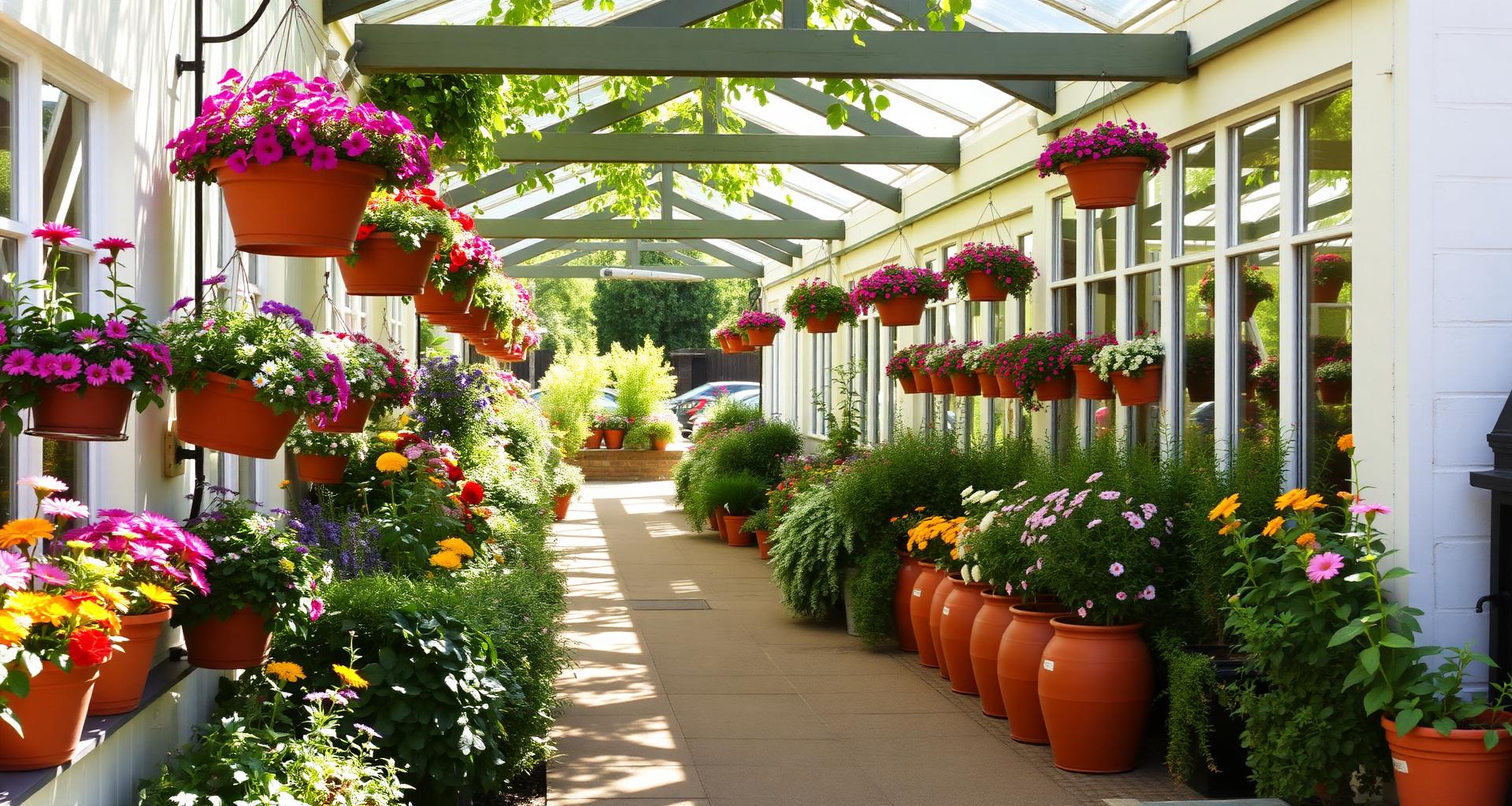
Grow something beautiful
Plants, tools and inspiration from your local family-run garden centre.
Shop by category
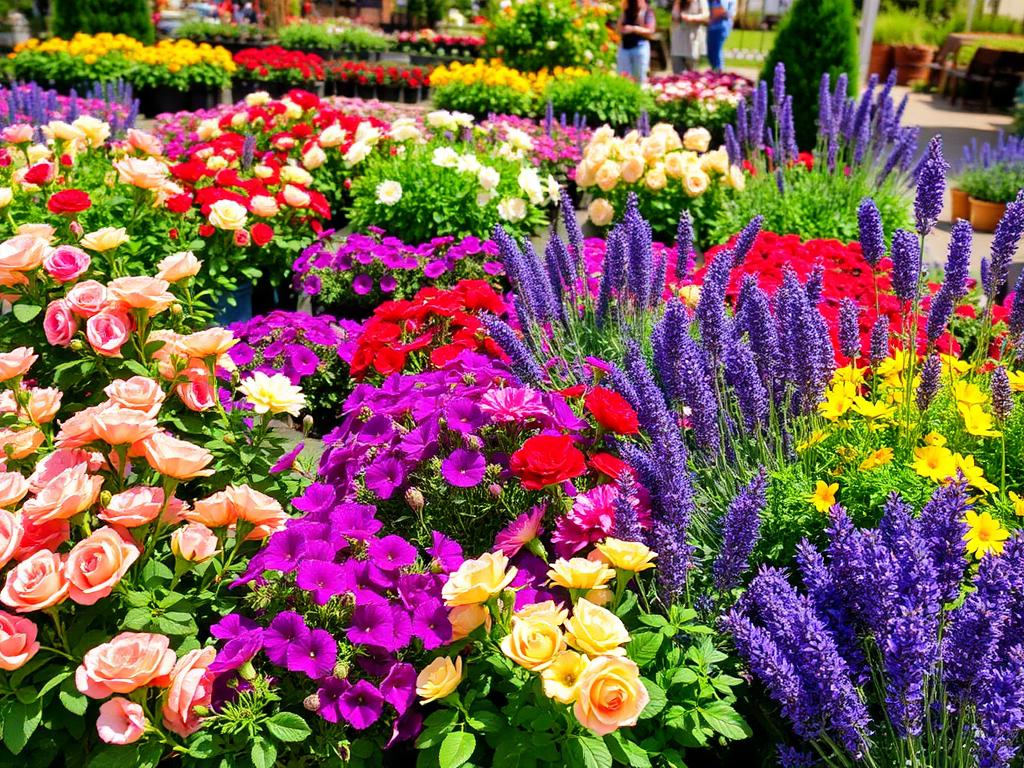
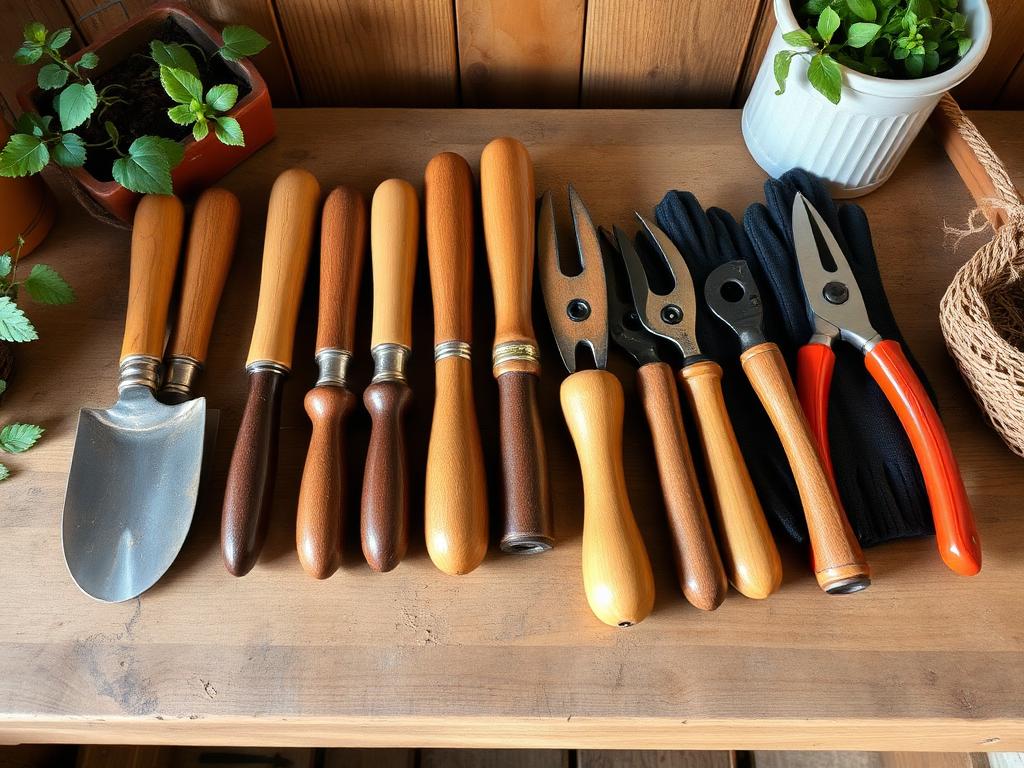
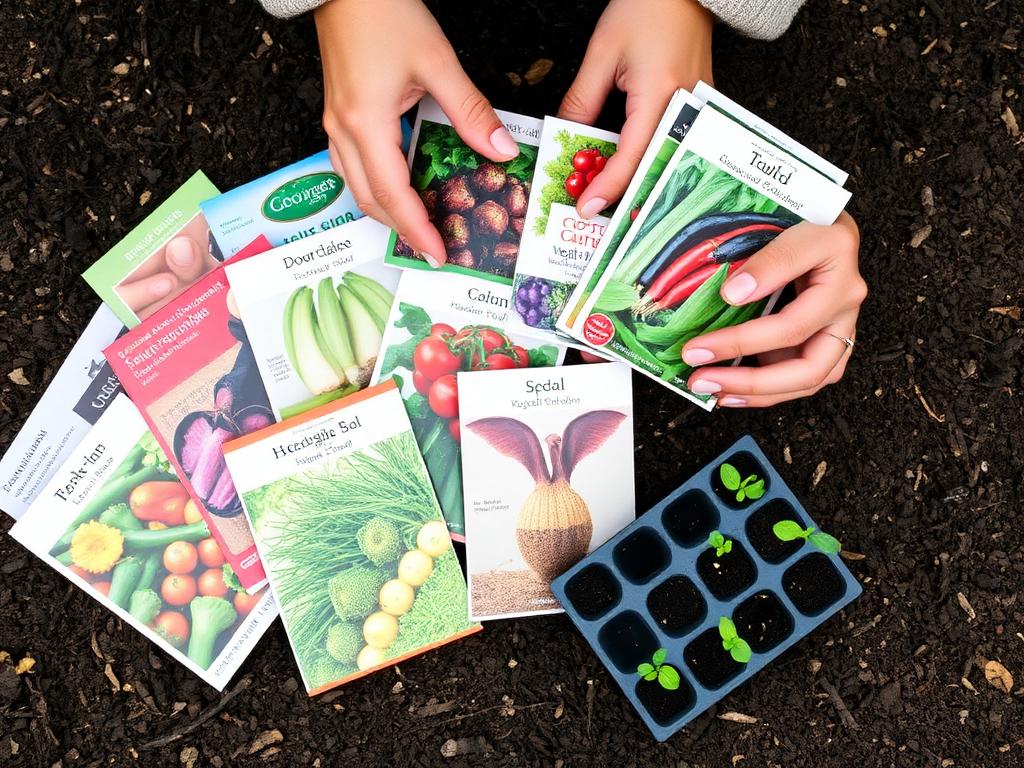
Welcome to 123 Garden Centre
A family-run garden centre packed with plants, tools, outdoor living and friendly expert advice. Whether you’re growing your first windowsill herbs or transforming an entire back garden, we’d love to help.
From the garden
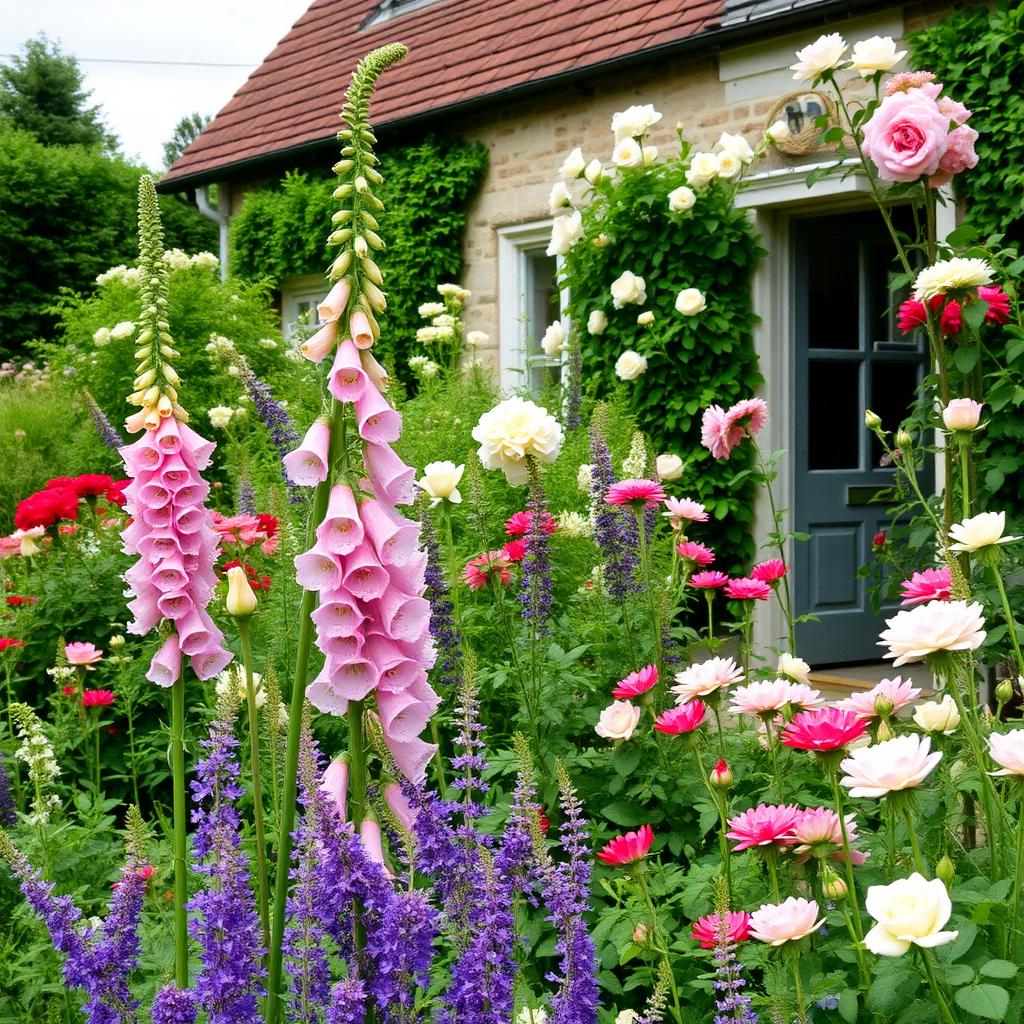
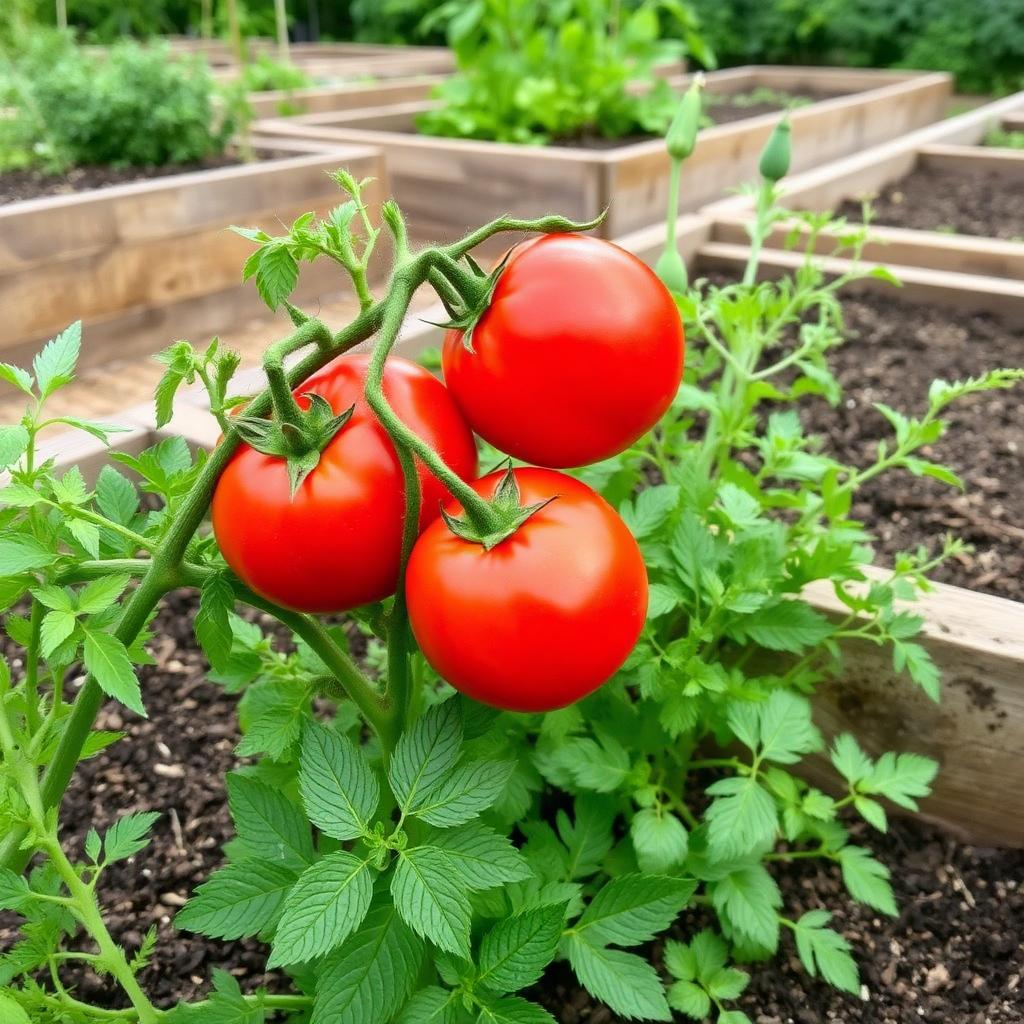
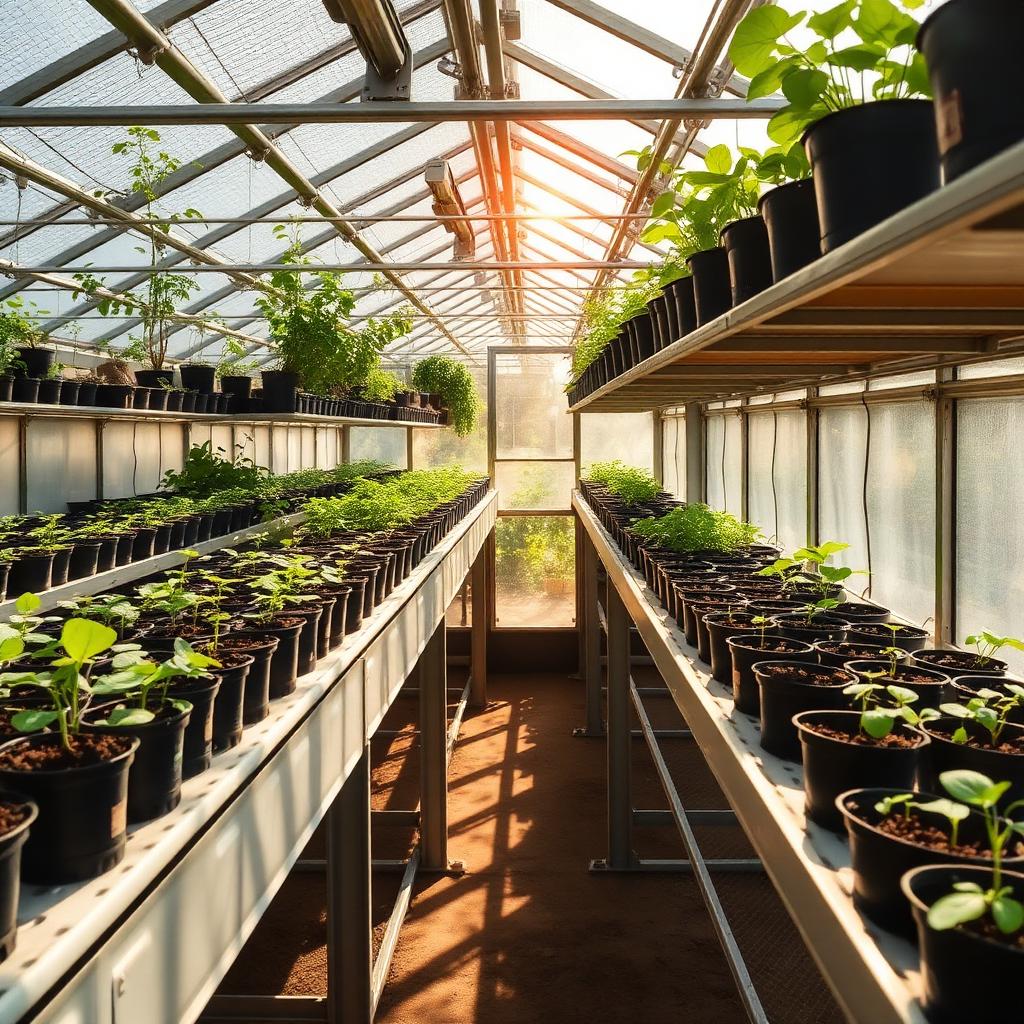
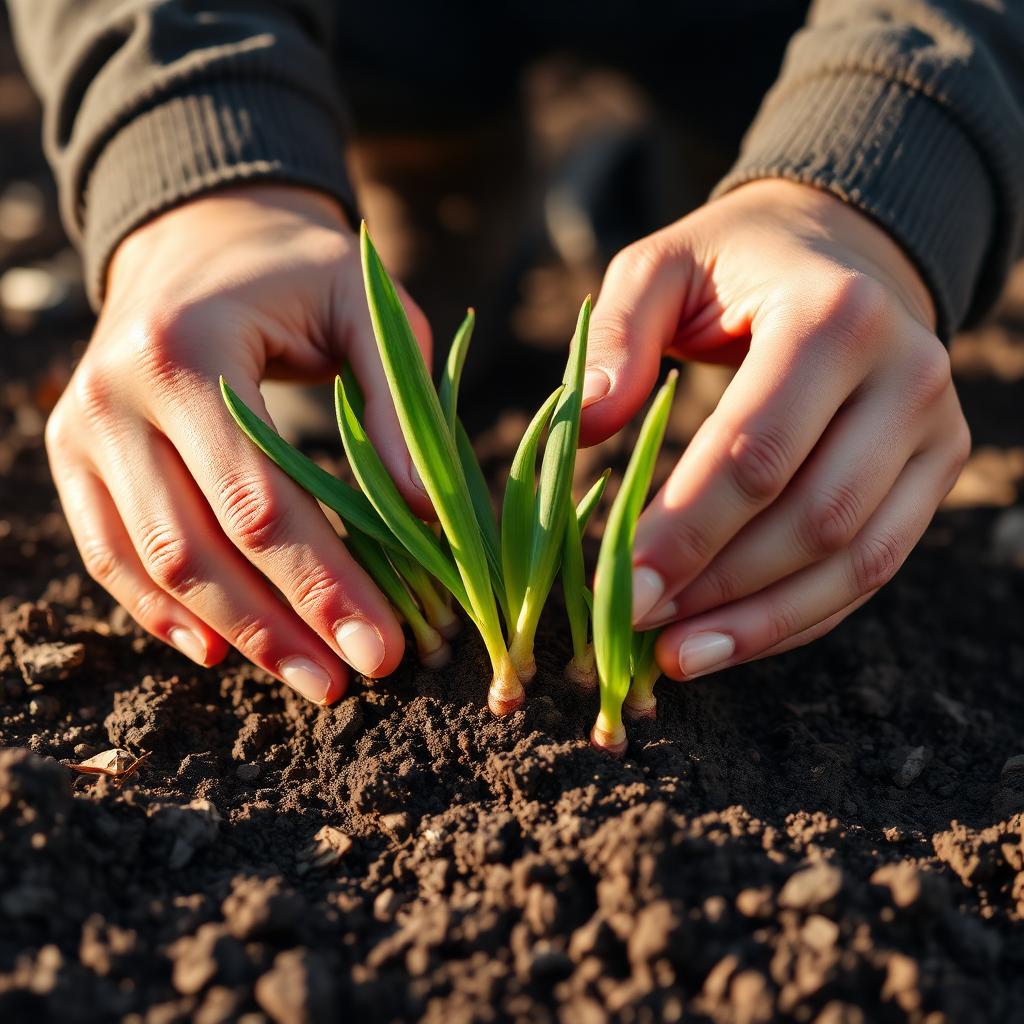
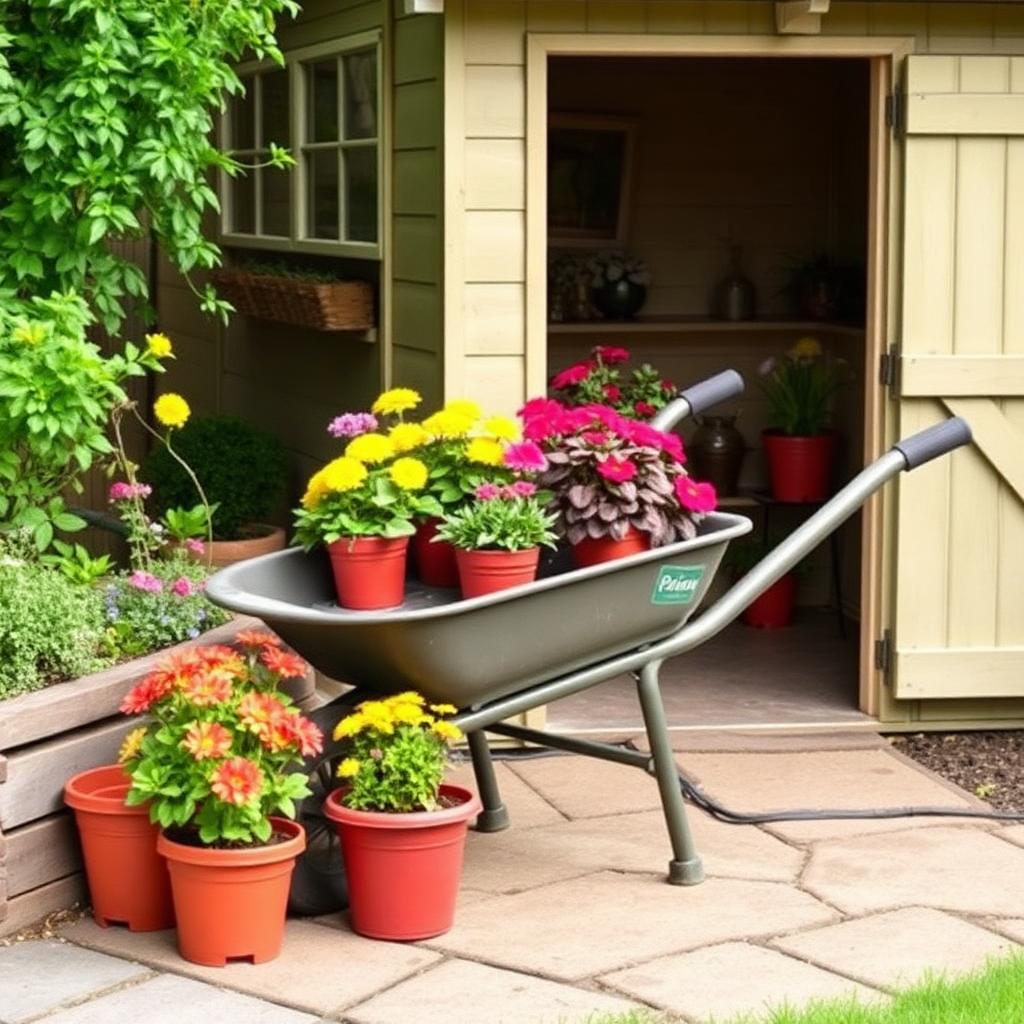
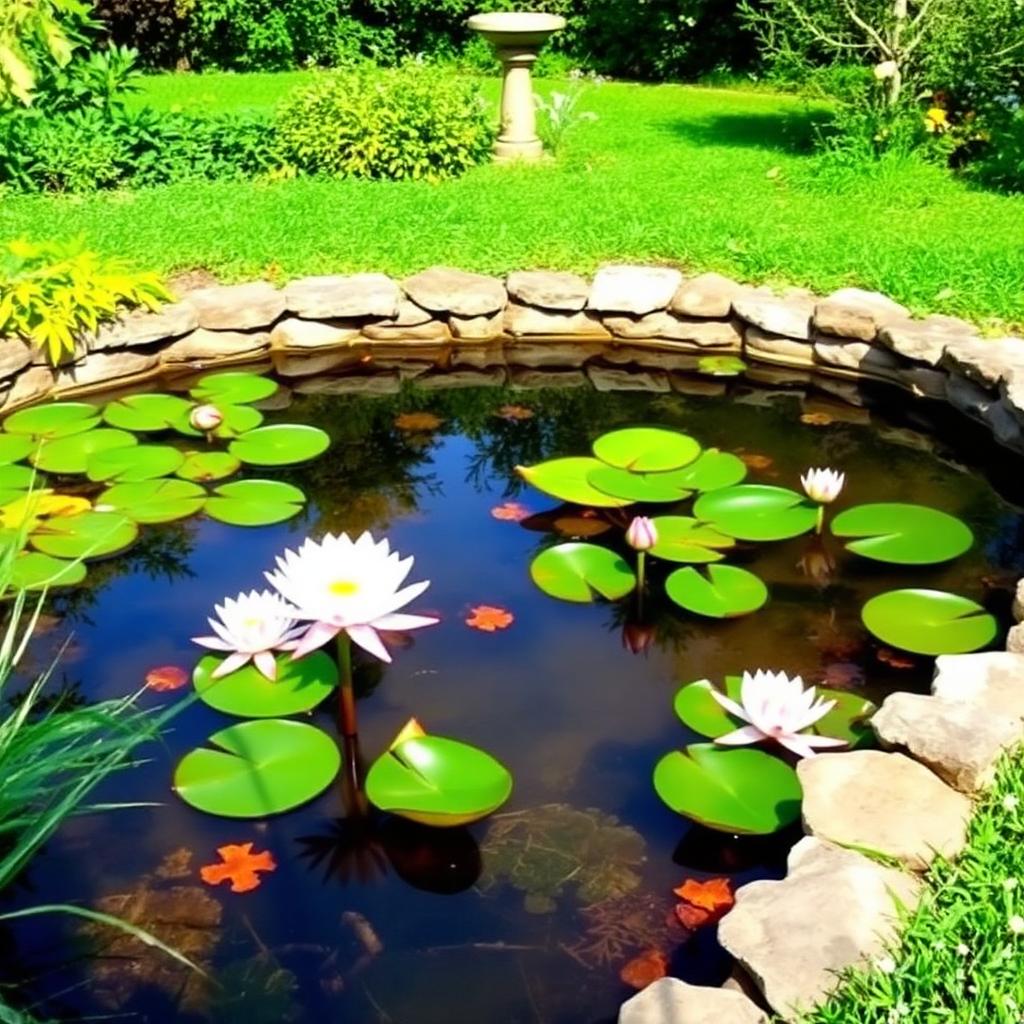
A glimpse of what’s growing right now at the centre.
Gardener’s Calendar
The best months to sow, plant out and harvest popular UK plants. Based on average conditions — adjust for your local microclimate.
UK Bulb Planting Calendar
Bulbs are perhaps the easiest flowers to plant. Each bulb contains a flower. Planting a bulb is as easy as shoving it into the ground. However, there is a proper time for planting each bulb, which makes them a tricky flower for a beginner gardener. To make matters worse, bulb catalogs do not make it obvious when different bulbs should be planted. For example, daffodils and tulips should be planted two months apart. And dahlias should wait until after the last frost before going into the ground.
A method to help remember when to plant different bulbs is to separate the bulbs into two categories. Some bulbs must be planted in autumn, while the others must wait until spring. Autumn planted bulbs are daffodils, tulips, crocuses and alliums. These bulbs are hardy and can make it through the winter. Bulbs that should be planted in spring are dahlias, gladioli, begonias, and most lilies. These flowers bloom in warmer months and should be planted in spring after the freezing winter weather has faded. Bulbs each have a harvesting season. For the best bulbs, buy in the season before planting. Bulbs can sell out the best varieties. Store bulbs in a cool, dry and dark place while waiting to be planted.
January and February
There’s little we can do outside during the dead of winter. However, if you missed planting tulips before the holiday season, you can still plant them in January. They will bloom, even if a bit late. It’s a better option than letting the bulbs rot. Stored Dahlia tubers are susceptible to rot and should be checked every month. Midwinter is the perfect time to buy Summer bulbs before they sell out. Snowdrops are best handled in the green and are best moved or bought shortly after blooming. Snowdrop bulbs are poor at establishing when dry.
March
It is now time to do the majority of our planting. Lilies can be planted directly into the soil or into pots and planted 15 cm deep. It’s a good idea to place some grit at the bottom of the pot, especially if the soil is heavy. Gladioli corms begin to plant late March, but should be planted every 2 weeks to maximize their blooming time throughout the Summer. Dahlia Tubers should now be taken out of storage, and if they are stored in pots, should be brought out and placed into a warm, covered location. Tubers should be divided to give a greater yield, especially since the eyes should be starting to swell.
April
This is the prime month for planting summer bulbs. Continue with the succession planting of gladioli. Plant anemones and ranunculus, and begonias are to be started in trays covered with plastic, with the hollow side facing up. Spring bulbs are in full flower and should only need deadheading. Deadhead the daffodils and leave the foliage for next year, do not touch the foliage.
May
Tender annuals should be planted after the last frost, and for most of the country, that means the end of May. This mainly includes dahlias and begonias which should be planted in rich, sunny soil and accompanied with stakes. Spring bulbs should have their foliage left alone, and while it may look unsightly, it is critical for next years blossoms.
June, July and August
These months should be devoted to the enjoyment of the lilies, dahlias, and gladioli for the remainder of the summer, as the only other summer task should be watering, feeding or deadheading. Dahlias should be fed a high potash feed to help them flower for the longest period. Autumn flowering bulbs should be planted in August, and in the summer months, only autumn flowering bulbs should be planted. Spring bulbs should be ordered in August as other retailers are typically in October. So, this month should be dedicated to ordering to ensure the breadth of varieties available.
September
Planting begins for autumn with one basic guideline: avoid tulips. Daffodils go in first as they make roots early and resent waiting, and small early bulbs, the crocuses, snowdrops, winter aconites, scillas and dwarf irises, go in next. Smaller bulbs dry out the quickest in storage. This is why they require the least amount of time before going in the ground. Most bulbs should be planted at a depth of about two to three times the height of the bulb, and for those growing in light soil, they should be planted at a greater depth with no exceptions for shallower depths.
October
Daffodils are finished and the remaining bulbs are planted. This includes alliums, hyacinths, fritillaries, muscari and camassias, into soil that is in full sun or at least light shade. Generally, bulbs are scattered by the handful if they will be planted in areas of grass. This is the case for naturalized bulbs, and especially the smaller daffodils and crocuses. This may sound careless; however, the appearance of bulbs in nature is just as important. Gladioli corms are harvested by the end of the month and stored in paper bags along with plugs for begonias that are kept dry in compost.
November
It’s Tulip Month! Tulips are deliberately kept back until now, as planting into colder soil starves the tulip fire fungus of the warm damp conditions it needs. A tulip planted in November will always be healthier than one planted in September. Dig a deep hole between 15 to 20cm. Select a spot that has the best drainage with the most sunlight, or even use pots that have compost with some grit. November also marks the time of year that Frosts descend and blacken the dahlias. This means you must mulch the dahlias that are left in the ground to overwinter, or in the colder gardens, lift the tubers, dry them, and then place them in a frost free location with barely damp compost.
December
While the ground is still open, tulip planting can continue even between Christmas and the New Year. Dahlias that have been planted later will flower just a little later. The rest of the bulbs are in a dormant state, with their tuber in storage, and it is time for the hyacinths to be checked. Hyacinths that were prepared as autumn flowerers are brought in from the cold to flower. Gardening has gotten as close to a rest as it can.
A note on buying
Good quality bulbs are the same no matter the season. They will be firm and heavy with no soft spots or mold. Larger bulbs will produce bigger flowers and a greater amount of flowers as they contain more stored food. Because of this, size does equal quality. Cheap, mixed bags of bulbs are useful for filling up empty spaces. However, for the areas you would actually like to be viewed, you should always get named, specialist varieties. It is worth the extra pennies.
From the blog
-
Tips for Maintaining Your Lawn During Hot Summers
As summer hits year after year, we watch lawns turn from green to brown. As we watch, we wonder, “should I water it? Is it a waste to water it now because it won’t make it until the end of the summer?” Surprisingly established lawns generally can’t be killed by drought. Grass goes brown and…
-
Gladioli: Time to Give Them Another Look
As trends changed, gladioli lost popularity and grew associated with stiff rows of allotments and Dame Edna with a bunch of them on TV. Sadly, they remain a victim of a retro, poor reputation. A July bunch of gladioli all out, show stealing in all sorts of muted variations, with smoky purples and soft apricots,…
-
In Defence of the Slightly Untidy Garden
Some gardens always get the attention of the judges or the cameras. Their paths are impeccable. Their leaves are neatly snipped, and all their plants are lined up, with not a single dead or stray leaf. These gardens are boring. The fun gardens plant their seeds wherever they can find space or an opening. These…
-
Dahlias: The Crown Jewels of British Gardens
British gardening reaches its peak expression through well-maintained Dahlias displays. Dahlia colours brighten British gardens during the mid-summer weeks leading up to their first frost. Mexican natives found their permanent place in UK gardens due to their boundless variation in size and colour throughout the growth periods. Getting Started with Dahlia Bulbs Dahlia plants do…
-
Make the most of your garden this autumn
Summer is not the only time to enjoy a garden as many people find out when they take a few simple steps to give the outdoor space an autumn makeover. Once the garden has been tidied, old plants have been thrown away and shrubs have been cut back look at the space and find a…
-
Looking after newly laid turf
Newly laid turf can look lovely and really transform a front or rear garden, but it does need to be well looked after especially in the early days. One of the main reasons you may find that your turf doesn’t take well is that it hasn’t been watered enough. You may be surprised actually how…
-
Top 10 tips to prepare your garden for Spring
Winter is normally a quiet time in the garden but it won’t be long before spring arrives and you’ll be caught up in the frenzy of seed-sowing, growing, and nurturing your garden as it comes to life! Getting your garden in order early will help make the spring a little less hectic.
Join the gardening club
Monthly planting reminders, seasonal offers and expert tips — straight to your inbox.